
How to Protect Home While Traveling Safely

A home can look vacant faster than most people realize. Mail builds up, porch lights stay dark, curtains never move, and a package may sit outside for days. Knowing how to protect home while traveling means creating the appearance of an occupied property while making it harder for anyone to approach, enter, or stay unnoticed.
The best travel security plan is not built around one device or one last-minute check. It combines reliable habits, visible deterrents, smart technology, and people you trust. Whether you are away for a long weekend, a family vacation, or an extended business trip, a few practical steps can make a meaningful difference.
How to Protect Home While Traveling Before You Leave
Start your preparation several days before departure. Rushing through security tasks while loading the car makes it easy to miss an unlocked window, a garage remote, or a setting that should have been changed.
Secure every entry point
Walk through your home as if you were leaving for the first time. Lock all doors and windows, including second-floor windows, basement access points, and the door between the garage and your home. Sliding doors deserve extra attention because their locks can be vulnerable. A properly fitted security bar or dowel in the track adds another layer of resistance.
Do not hide a spare key outside before you leave. Experienced intruders know where to look, including under mats, planters, decorative rocks, and near utility boxes. If someone may need access while you are gone, provide a trusted person with a key or use a smart lock with a temporary access code that can be removed after your trip.
Make the house look lived in
A dark, still house is an easy signal that no one is home. Put a few indoor lights on timers or smart schedules, and vary the timing between rooms. A living room light that turns on every night at exactly 7:00 p.m. is better than total darkness, but a changing schedule looks more natural.
Leave blinds and curtains in their usual positions. Closing every window covering tightly can advertise an empty home, while leaving them fully open may give passersby a clear view of valuables. The right balance depends on your neighborhood and how visible your home is from the street.
If your trip will last more than a few days, pause mail delivery or ask someone dependable to collect it. Arrange for lawn care, snow removal, or trash bin service as needed. Seasonal upkeep matters because an overgrown lawn or an unshoveled driveway can quickly tell others that a home is unattended.
Build a Security System You Can Check From Anywhere
A professionally installed or self-installed security system can give you more than an alarm. It can help you see activity, receive alerts, and respond quickly when something does not look right.
Use monitored alarms for a faster response
A monitored alarm system can alert a monitoring center when a protected door, window, motion detector, or other sensor is triggered. If an emergency is confirmed, the appropriate authorities can be contacted according to your service plan. That added support is particularly valuable when you are hours away, in another time zone, or unable to respond to an alert right away.
Before leaving, test the system, replace weak batteries, and confirm that every household member knows how to arm it. If you are having a pet sitter, house sitter, or family member visit, make sure they understand how to enter and disarm the system without causing an unnecessary alarm.
Place cameras where they provide useful coverage
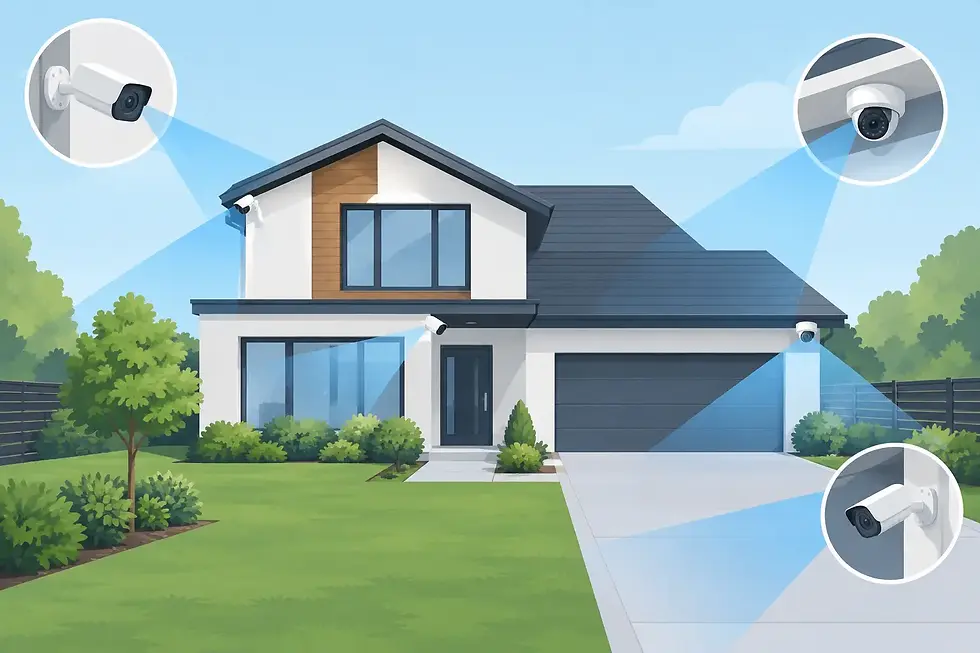
Security cameras work best when they cover the areas people are most likely to use: the front door, driveway, garage, back door, and side gates. A doorbell camera can show deliveries and visitors, while exterior cameras can provide a wider view of approaching vehicles or movement around the property.
Good placement matters more than simply adding more cameras. Position cameras high enough to avoid easy tampering, but low enough to capture usable facial detail. Check that trees, decorations, and parked vehicles will not block the view. Also confirm that your cameras have a strong connection and that motion alerts are set to a level that will not overwhelm you with notifications from passing cars or moving branches.
For many homeowners, remote viewing provides real peace of mind. You can check on a delivery, confirm that a trusted visitor arrived, or review an alert without relying on guesswork. Authorized Home Security can help homeowners choose alarm, camera, and smart home options that match the layout and needs of the property.
Reduce Opportunities Around the Outside of Your Home
The exterior of your property should make someone think twice about lingering. Clear visibility, dependable lighting, and a maintained yard all make suspicious activity easier for neighbors and cameras to notice.
Light the areas that matter most
Motion-activated lights are useful near entrances, garages, pathways, and side yards. They can make it uncomfortable for someone to approach unnoticed and help cameras capture clearer footage after dark. Use timers or smart controls for porch lights as well, especially if your front entry is visible from the street.
Avoid relying on one bright light that stays on all day and night. Constant lighting can waste energy and may create deep shadows in nearby areas. A mix of scheduled indoor lights and motion-triggered exterior lighting is usually more effective.
Put away items that can help an intruder
Ladders, tools, spare building materials, and even large trash cans can be used to gain access or conceal activity. Store them in a locked garage, shed, or other secure area before you go. Lock gates, secure patio furniture if severe weather is possible, and make sure garage doors are fully closed.
If you keep valuables in a vehicle, remove them before your trip. A visible bag, tool case, or electronics accessory can turn a locked car into an easy target. The same principle applies indoors: keep expensive items out of direct view from windows.
Choose the Right People to Help While You Are Away
A trusted neighbor, friend, or family member can be one of the strongest parts of a travel security plan. Ask them to check the property periodically, bring in packages, and contact you if they notice anything unusual. Give them a reliable way to reach you and provide a backup contact in case you are unavailable.
Be selective about who receives access to your home. They do not necessarily need a key, alarm code, and full access to every room. Smart locks can allow limited access codes, and some systems let you create separate codes for different visitors. This gives you more control and lets you remove access when it is no longer needed.
If you hire a pet sitter or house sitter, verify references and explain your security expectations clearly. Let them know which doors should remain locked, how to use the alarm system, and what to do if they receive an alert or see a problem.
Be Careful About What You Share Online
Vacation posts can wait. Sharing travel dates, airport check-ins, or photos that reveal you are far from home may unintentionally tell the wrong audience that your property is empty. Review privacy settings, but remember that even private posts can be reshared.
Ask children and teens to follow the same rule. A casual countdown post or a photo captioned from a beach can reveal more than your family intends. Save the highlights for after you return home.
Create a Simple Departure Routine
The final hour before leaving should not be stressful. Make it repeatable by using the same routine for every trip. Confirm that doors and windows are locked, the alarm is armed, cameras are online, lights are scheduled, water is set appropriately, and a trusted contact has your travel information.
For longer trips, consider shutting off the main water supply if doing so is safe for your home and any required systems. Water leaks can cause serious damage while a property is vacant. In cold-weather areas, maintain enough heat to help prevent frozen pipes, even if the home will be empty for weeks.
Travel should give you a break from worrying about your property. A secure home starts with thoughtful preparation, then continues with the right support, visibility, and response plan while you are away.


Comments